The Science
Behind.
Explore the scientific foundation behind our work. Here you'll find a selection of peer-reviewed studies and publications that inform our research on the oral microbiome, preventive dentistry, and innovative probiotic solutions.
Oral Health as a Key to OVERALL Health
A recent study published in Nature shows that the mouth plays a central role in the health of your entire body. Saliva and plaque contain especially valuable clues about your overall well-being – often earlier than other parts of the body.
Changes in the oral microbiome can trigger inflammation and have been linked to a wide range of conditions, including cardiovascular diseases such as atherosclerosis, metabolic disorders like type 2 diabetes, fatty liver, and metabolic syndrome, autoimmune diseases such as rheumatoid arthritis, multiple sclerosis, or Hashimoto’s disease, neurodegenerative diseases like Alzheimer’s and Parkinson’s, joint disorders such as osteoarthritis, as well as respiratory diseases like asthma or COPD. Certain cancers, including liver, stomach, and colorectal cancer, as well as severe infections like sepsis, may also be promoted by an imbalanced oral microbiome.
The bacteria living in the mouth influence key processes such as inflammation and the regulation of blood pressure and blood sugar, potentially affecting the entire body systemically. The study also shows that many resistance genes are present simultaneously in the mouth, gut, and on the skin. Maintaining good oral health may therefore help limit the spread of resistant microbes and reduce inflammatory processes.
At the same time, research opens new opportunities for the future – such as saliva tests for early detection or targeted probiotic and postbiotic approaches that can act both orally and systemically.
In short: Your mouth is a sensitive mirror of your overall health – and a central starting point for understanding, protecting, and enhancing health holistically.
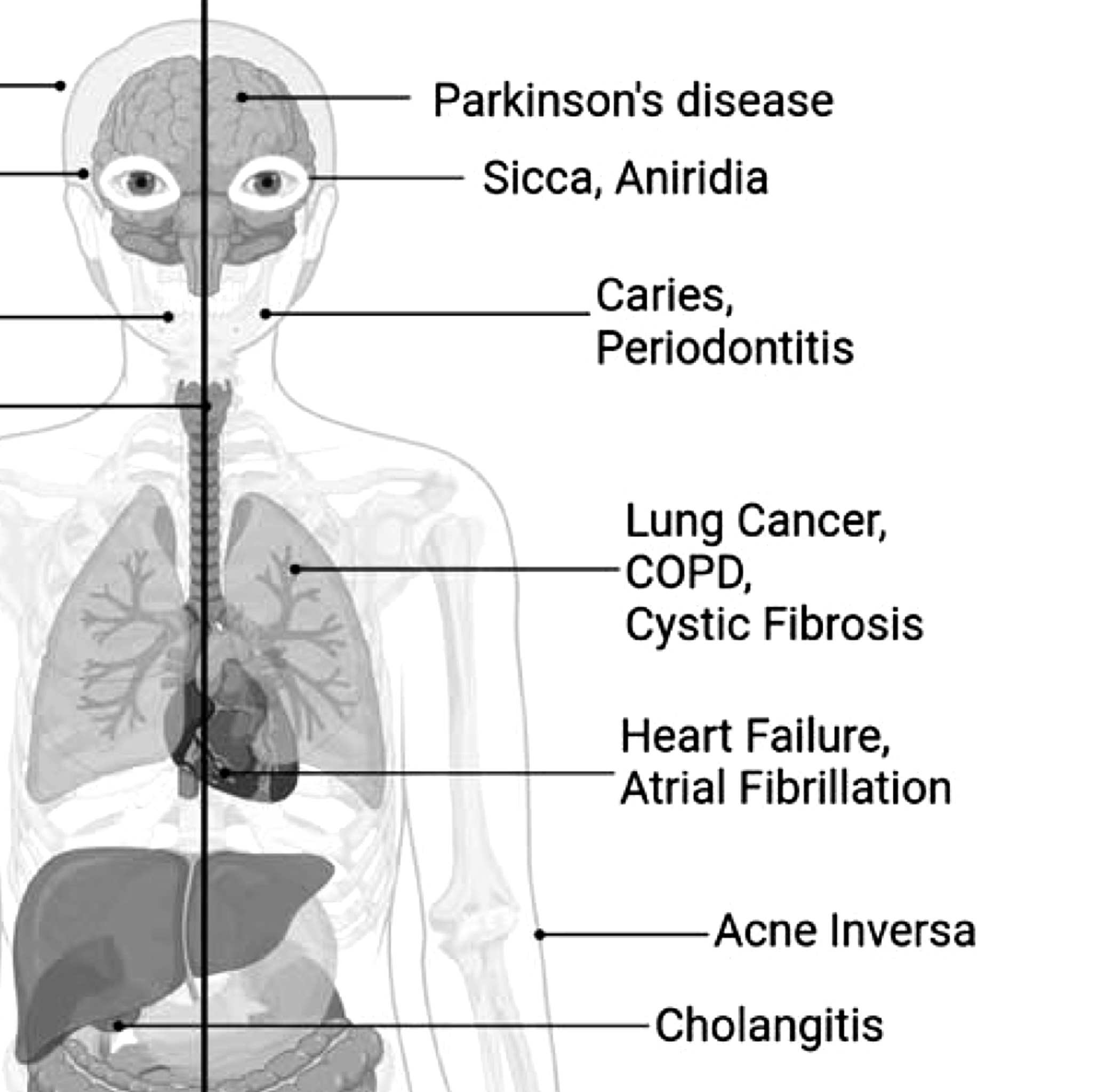
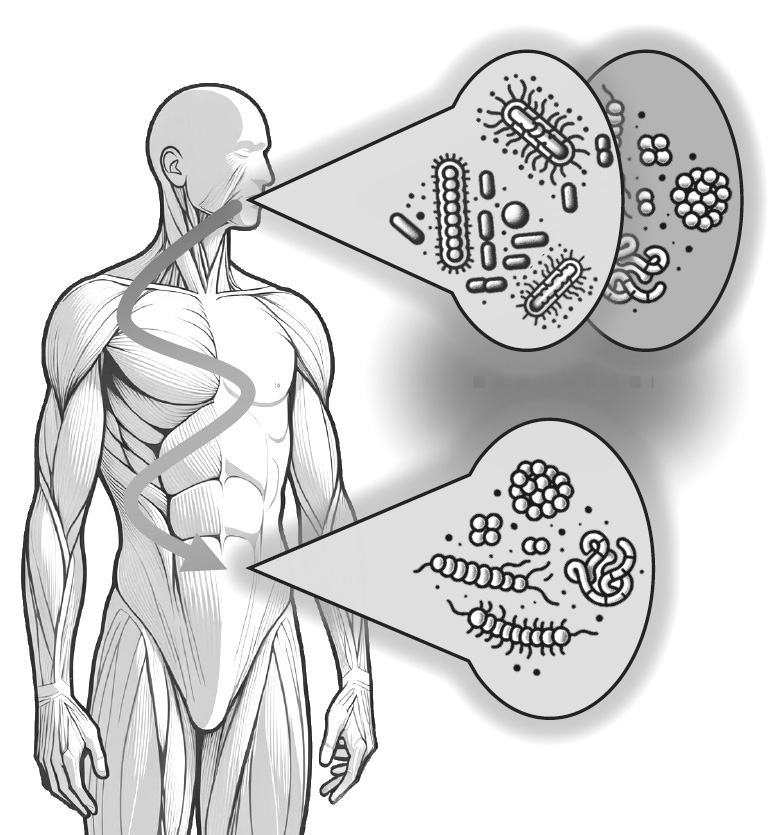
Your Mouth as a Window into Whole-Body Health
The IMAGINE study shows that the mouth reflects not just local, but also systemic health. Saliva-based tests could enable early, non-invasive detection of gut diseases like colitis, offering an easier alternative to stool samples.
Chronic changes in the oral microbiome are closely linked to systemic inflammation and gut health. Maintaining oral hygiene and treating inflammation in the mouth may help reduce the risk of gut and other chronic diseases.
Individual oral microbiome profiles can guide personalized probiotic or postbiotic therapies, targeting both oral and gut microbiota to help calm inflammation throughout the body.
Antibiotic strategies can also be optimized: because many resistance genes are found in both the mouth and gut, a mouth-based resistome analysis can help limit the spread of multi-resistant bacteria.
The study highlights the importance of interdisciplinary care: dentists and gastroenterologists working together can integrate oral markers into routine diagnostics and treatment. A „One-Health" approach enables holistic, microbiome-based prevention and therapy.
Additional peer-reviewed scientific studies
[1] Rupf S, Laczny CC, Galata V, Backes C, Keller A, Umanskaya N, et al. (2018). Comparison of initial oral microbiomes of young adults with and without cavitated dentin caries lesions using an in situ biofilm model. Scientific Reports, 8(1), 14010. DOI: 10.1038/s41598-018-32361-x
[2] Belstrøm D, Sembler-Møller ML, Grande MA, Kirkby N, Cotton SL, Paster BJ, et al. (2017). Microbial profile comparisons of saliva, pooled and site-specific subgingival samples in periodontitis patients. PLOS ONE, 12(8), e0182992. DOI: 10.1371/journal.pone.0182992
[3] Wolff D, Frese C, Schoilew K, Dalpke A, Wolff B, Boutin S. (2019). Amplicon-based microbiome study highlights the loss of diversity and the establishment of a set of species in patients with dentin caries. PLOS ONE, 14(7), e0219714. DOI: 10.1371/journal.pone.0219714
[4] Helbig R, Hannig M, Basche S, Ortgies J, Killge S, Hannig C, et al. (2022). Bioadhesion on Textured Interfaces in the Human Oral Cavity—An In Situ Study. International Journal of Molecular Sciences, 23(3), 1157. DOI: 10.3390/ijms23031157
[5] Gund MP, Rupf S, Hannig M, Hannig C. (2022). Oral hygiene knowledge versus behavior in children: A questionnaire‐based, interview‐style analysis and on‐site assessment of toothbrushing practices. Clinical and Experimental Dental Research, 8(3), 730-741. DOI: 10.1002/cre2.607
[6] Belstrøm D, Holmstrup P, Bardow A, Kokaras A, Fiehn NE, Paster BJ. (2016). Temporal Stability of the Salivary Microbiota in Oral Health. PLOS ONE, 11(1), e0147472. DOI: 10.1371/journal.pone.0147472
[7] Belstrøm D, Paster BJ, Fiehn NE, Bardow A, Holmstrup P. (2016). Salivary bacterial fingerprints of established oral disease revealed by the Human Oral Microbe Identification using Next Generation Sequencing (HOMINGS) technique. Journal of Oral Microbiology, 8, 30170. DOI: 10.3402/jom.v8.30170
OUR PRODUCTS ARE COMING SOON. THE NGS TEST AND ORAL PROBIOTICS WILL BE AVAILABLE SHORTLY. STAY TUNED.